Fumigation and Extermination Services in Kenya
Living in a tropical climate often brings unwanted pests into our living spaces. We know how important a clean environment is for your health. Our team offers the most reliable pest control Kenya residents can count on for their properties.
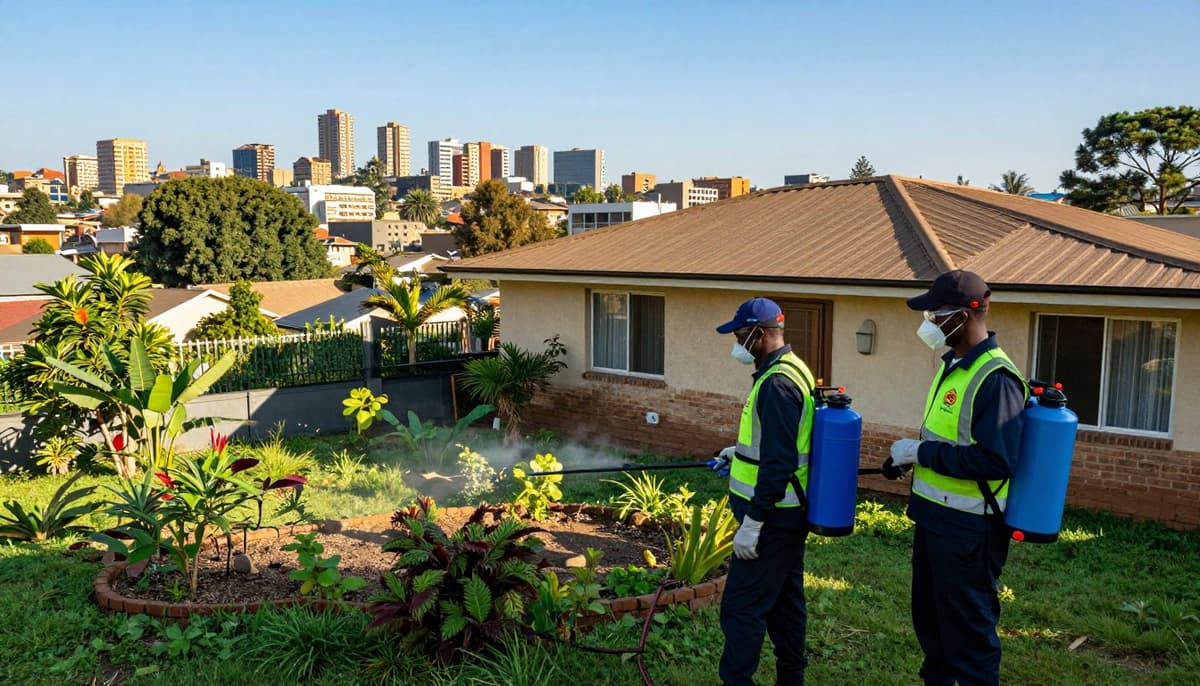
We provide expert fumigation services to target pests at their source. These solutions protect your home from structural damage. We prioritize your safety by using modern and friendly methods.
If you need help, call us at 0710907628 or email sales@pestraid.co.ke for a quote. Investing in professional extermination services is the best way to ensure lasting results. Our technicians are ready to assist you today.
Key Takeaways
- Access expert pest control services in Nairobi and across the country.
- Reach us at 0710907628 for immediate support.
- Protect your property with specialized mosquito and sandfly control programs.
- Benefit from eco-friendly treatment methods.
- Email sales@pestraid.co.ke for detailed service quotes.
- Ensure long-term prevention for homes and offices.
Understanding the Pest Landscape in Kenya
Kenya's climate and geography make its pest landscape unique. This affects homes all over the country. Knowing this landscape is key to good pest control.
Common Pests Affecting Kenyan Households
Many pests trouble Kenyan homes, like cockroaches, bed bugs, and termites.
Common household pest issues in Kenya that require intervention include:
- Health-threatening infestations that need guaranteed cockroach control services.
- Persistent nighttime biters requiring comprehensive bed bug control services.
- Wood-destroying insects requiring intervention from dedicated termite control specialists.
- Destructive invaders needing effective rat and rodent control services.
- Venomous or nuisance arachnids that demand targeted spider control solutions.
- Unsanitary flying pests managed through our housefly control and sanitation services.
- Dangerous reptiles needing professional snake control and removal, alongside parasitic insects eliminated by trusted flea control interventions.
Cockroaches spread diseases and cause allergies. Bed bugs are annoying with their bites. Termites quietly harm homes' structures.
The Impact of Seasonal Changes on Pest Activity
Seasonal changes greatly affect pest activity in Kenya. Rainy seasons bring more termites and cockroaches because of the moisture, which can also necessitate professional mold removal in Kenya if not addressed quickly.
In dry seasons, pests like rodents seek water in homes. Knowing these patterns helps in controlling pests better.
Assessing Your Property for Infestation Risks
To find out if pests might be a problem, you need to check your property carefully. Look for any signs of pests or weak spots that could attract them.
Identifying Entry Points and Vulnerable Areas
Pests can sneak in through tiny openings. So, it's important to find and block any entry points. Look for cracks in walls, gaps around doors and windows, and openings near utility pipes.
Key areas to inspect include:
- Foundation and basement areas
- Attic spaces
- Around doors and windows
- Utility entry points
Signs of Hidden Infestations You Should Not Ignore
Some pests hide until they cause a lot of damage. Knowing the signs of hidden infestations can help you act fast.
| Signs | Description | Pest Indicated |
|---|---|---|
| Small holes in wood | Presence of small, round holes in wooden structures | Termites or wood-boring beetles |
| Frass or droppings | Presence of insect droppings or frass near infested areas | Cockroaches, rodents, or termites |
| Nests or hives | Discovery of nests or hives in or around the property | Wasps, bees, or ants |
Preparing Your Home or Business for Professional Fumigation
Before the fumigation experts arrive, it's important to get your home or business ready. This ensures a safe and effective treatment.
Professional fumigation is a detailed process. It needs careful preparation to work well. Homeowners and business owners must follow key steps to make sure the treatment is safe and effective.
Securing Food Items and Sensitive Belongings
Securing food and sensitive items is a major step in preparation. This means removing or sealing all food, medicines, and sensitive equipment. This prevents contamination or damage.
- Remove all food items, including those in pantries and refrigerators.
- Seal or cover sensitive electronics and equipment.
- Cover or remove any items that could be damaged by the fumigants.
Pest control experts stress the importance of proper preparation. "Proper preparation is key to ensuring the fumigation process is effective and safe for occupants and their belongings."
"The success of fumigation largely depends on how well the premises are prepared beforehand."
Ensuring Proper Ventilation and Access for Technicians
It's also important to make sure technicians can get to all areas easily. And that there's good ventilation for the fumigation process.
| Preparation Task | Description | Importance Level |
|---|---|---|
| Clear Access | Ensure technicians can access all areas. | High |
| Ventilation | Open windows and doors for aeration. | High |
| Secure Belongings | Cover or remove sensitive items. | Medium |
By following these guidelines, you can help make the fumigation process smooth and effective. Our team is ready to handle everything. But your help is key for the best results.
Good preparation not only makes fumigation successful. It also keeps everyone safe and the environment protected.
Selecting the Right Fumigation and Extermination Services in Kenya
Kenya has many pests, so picking the right fumigation and extermination services is key. The success of pest control depends on the service provider's skills and trustworthiness.
Choosing the right service involves looking at several important factors. This makes sure the service fits our needs and solves pest problems for good. For high-quality, specialized eradication, consider partnering with the professional pest exterminators at Exterminate Kenya.
Evaluating Experience and Certification Standards
When looking at fumigation and extermination services in Kenya, experience and certifications matter a lot. A service with lots of experience can tackle many pest control issues.
Certifications show a service provider's trustworthiness and follows industry rules. Check for certifications from known bodies. Make sure the technicians know the latest pest control methods.
A pest control expert says, "The right certification and experience are not just about following rules; they ensure safe and effective pest control."
Why Professional Expertise Outperforms DIY Methods
DIY pest control might seem cheap, but it often doesn't solve pest problems for long. Professional services, though more expensive, offer a detailed approach to pest management.
- Professionals have the skills and tools to handle pest problems well.
- They create custom solutions for each property's pest needs.
- They also do follow-up treatments and preventive steps for lasting results.
Experts say,
Choosing professional fumigation and extermination services is a smart move. It keeps pests away, keeps us healthy, and protects our homes.
In addition to pest eradication, ensuring comprehensive safety is crucial. We also work with Naibuni Systems to provide top-tier fire extinguishers and safety solutions for your premises.
Step-by-Step Guide to Professional Pest Inspection
Our team does a detailed pest inspection to find the source and size of pest problems in your place. This step is key for managing pests well. It involves several important steps.
Conducting a Thorough Perimeter Walkthrough
We start by walking around your property carefully. We check the outside and inside of the building. This includes walls, floors, ceilings, and the area around it. We look for any signs of pests or where they might get in.
We search for things like droppings, gnaw marks, and nests. Our team knows how to spot small signs of pests. This makes sure we don't miss any problems.
Using Advanced Detection Tools for Accurate Identification
To correctly identify pests, we use special tools. These include moisture meters to find hidden moisture—which may also require certified mold inspection services to evaluate—and thermal imaging cameras to spot heat or hidden pests. We also use other special equipment.
Our advanced technology makes our inspections more precise. This lets us create specific treatment plans for your property's pest issues.
| Tool/Technique | Purpose |
|---|---|
| Moisture Meters | Detect hidden moisture issues |
| Thermal Imaging Cameras | Identify heat sources or hidden infestations |
| Visual Inspections | Identify signs of pest activity or damage |
By doing a thorough walk around and using advanced tools, we can fully understand your pest problem. Then, we create a good plan to fix it.
Executing Targeted Chemical Treatments Safely
Safe use of targeted chemical treatments is key to good pest control. At our company, we make sure our clients, their families, and the environment are safe. We do this by carefully planning our fumigation and extermination services in Kenya.
We start by understanding the pest problem and picking the best chemical treatment. A top pest control expert says,
"The key to successful pest control lies in the precise application of the right chemical formulation."
Choosing the Correct Formulation for Specific Pests
Different pests need different treatments. For example, termites and cockroaches need different chemicals. We carefully check the pest situation to find the best treatment.
Precision is key in picking the right chemical. We look at the pest's life cycle, where it lives, and how it reacts to chemicals. This ensures the treatment works well.
Applying Treatments with Precision and Care
After picking the right chemical, we apply it carefully. Our technicians use the latest tools to make sure the treatment is done right and safely.
We know safety is most important during and after treatment. So, we follow strict safety rules. This way, we reduce chemical exposure and make sure the area is safe to enter again after treatment.
By using the right chemical and applying it carefully, we can get rid of pests. At the same time, we protect our clients' health and the environment.
Implementing Integrated Pest Management Strategies
Integrated pest management (IPM) is a big step towards better pest control in Kenya. It moves away from old methods that use a lot of chemicals. These chemicals can harm the environment and make pests harder to control.
IPM is a smart way to manage pests without hurting the planet. It uses many methods together to keep pests under control for a long time.
Combining Biological and Mechanical Controls
Biological controls use nature's helpers, like bugs and diseases, to fight pests. Mechanical controls use things like traps and barriers to stop pests.
Using both methods together works really well. For example, introducing good bugs to fight aphids in farms is very effective.
| Control Method | Description | Example |
|---|---|---|
| Biological | Utilizing natural enemies of pests | Introducing ladybugs to control aphids |
| Mechanical | Using physical barriers or traps | Installing door sweeps to prevent rodent entry |
Reducing Reliance on Heavy Chemical Applications
IPM helps us use fewer chemicals. By mixing different methods, we can cut down on chemical use. This makes the environment safer for people and animals.
Key strategies for reducing chemical use include:
- Monitoring pest populations to determine the need for intervention
- Using threshold levels to guide treatment decisions
- Selecting the least toxic effective control methods
By using these strategies, we can manage pests well while keeping the environment safe. Our IPM approach looks at the whole ecosystem and the long-term effects of our actions.
Handling Common Household Pests in Kenyan Climates
Kenya's climates make it hard to fight household pests. We need special plans to get rid of them. The country's varied weather supports many pests that can invade homes and businesses. We operate across key estates including Kitisuru Estate, Tatu City, Nairobi Metropolitan Area, Muthaiga, Highridge Village, Kileleshwa Estate, Nairobi West, Parklands, Lavington, Westlands, Eastleigh, Embakasi, South C, Kilimani, South B, Karen, Runda, and Syokimau.
Knowing which pests are common in each area is key. We'll talk about how to get rid of cockroaches and bed bugs. We'll also share tips on managing termite damage to keep your place safe.
Eradicating Cockroaches and Bed Bugs Effectively
Cockroaches and bed bugs are big problems in Kenya. Attempting to manage an infestation without guaranteed cockroach control services often prolongs the issue, as cockroaches rapidly spread diseases and trigger allergies. Similarly, ignoring the signs of nighttime biters necessitates expert bed bug eradication to restore your comfort and sleep quality.
To get rid of them, you should:
- Keep your place clean to cut down on their food and shelter.
- Use safe chemicals that won't harm you or your pets.
- Seal up any holes or gaps to stop them from coming back.
If the problem is really bad, you might need a pro. Our team has the tools and skills to get rid of them for good.
Managing Termite Colonies to Protect Structural Integrity
Termites are a big danger to buildings in Kenya. Finding termite activity early is the best way to avoid big damage. If you notice signs of an infestation, it is highly recommended to reach out to Termites Control Services Kenya for a thorough assessment.
| Termite Type | Characteristics | Management Strategies |
|---|---|---|
| Subterranean Termites | Live in soil, build mud tubes | Soil treatment, baiting systems |
| Drywood Termites | Live in wood, do not require soil contact | Fumigation, localized treatments |
We use different methods, like soil treatment and baiting, to fight termites. Regular checks help catch problems early, which is why property owners increasingly rely on our specialized termite control treatments and pricing for long-term protection.

Managing Commercial Pest Control Requirements
Businesses in Kenya face special pest control needs. They need solutions that fit their unique situations. Keeping pests away is key to happy customers and following health rules.
Different businesses need different pest control plans. For example, hotels and shops must keep things very clean to stop pests. They need to clean often, throw away trash right, and keep everything tidy.
Maintaining Hygiene Standards for Hospitality and Retail
Keeping things clean is very important for hotels and shops. This means:
- Regularly cleaning and sanitizing surfaces and equipment
- Implementing effective waste management practices
- Ensuring that food is stored properly
Following these steps helps a lot in keeping pests away. A clean place also makes customers feel more confident and happy.
Customized Schedules for High-Traffic Business Environments
Places with lots of people need special pest control plans. We create plans that include:
- Regular inspections to find where pests might come in
- Special treatments for certain pest problems
- Steps to stop pests from coming back
We work with businesses to make a pest control plan that works for them. We consider their schedule and budget.
| Business Type | Pest Control Needs | Customized Solutions |
|---|---|---|
| Hospitality | High risk of pest infestation due to food handling | Regular inspections, targeted treatments, staff training |
| Retail | Risk of pest infestation from stored products | Sealed storage, regular cleaning, pest monitoring |
| High-Traffic Areas | Increased risk due to high foot traffic | Frequent inspections, rapid response to pest sightings |
Managing a commercial space also means adhering to strict fire safety codes. We seamlessly collaborate and work with Naibuni Systems' shop where you can find reliable fire extinguishers and related safety equipment to protect your high-traffic environments.
Safety Protocols During and After Fumigation
Keeping everyone safe is our main goal during and after fumigation. We follow strict safety rules to make sure everyone stays healthy and safe.
Evacuation Procedures and Re-entry Timelines
Before we start fumigation, we make sure everyone leaves the building. Evacuation procedures help everyone, including pets, stay away from harmful fumigants. We give clear instructions and timelines to keep things running smoothly.
How long you can go back inside depends on the fumigant and the area. Our team checks the air quality carefully before saying it's safe to come back.
Ensuring Air Quality and Surface Safety Post-Treatment
After fumigation, making sure the air is clean is key. We use special ventilation to get rid of any leftover fumigants. We also check surfaces to make sure they're safe to touch and use.
We also give tips on how to keep things clean and ventilated after fumigation. This helps keep your space safe and healthy.
By sticking to these safety steps, we make sure fumigation is done right. We're always working to keep up with the latest safety standards.
Comprehensive safety means preparing for all emergencies. We also work with Naibuni Systems to help our clients integrate advanced fire suppression systems to fully secure their properties after treatment.
Maintaining a Pest-Free Environment Post-Treatment
Keeping your place pest-free is not just about one-time fumigation. It takes ongoing effort and dedication. After securing comprehensive pest management solutions from Pestraid, it's key to keep up practices that stop pests from coming back, and address any dampness that might invite pests or require a mold remediation expert. This protects your health and property.
Sanitation Practices That Deter Future Pests
Good sanitation is key to stopping pests. Regular cleaning and decluttering help a lot. Here are some important sanitation tips:
- Store food in sealed containers and clean up crumbs and spills right away.
- Dispose of garbage regularly and keep waste bins tightly sealed.
- Keep your place clean and dry, focusing on areas around sinks, stoves, and fridges.
Sealing Cracks and Gaps to Prevent Re-entry
Pests can sneak in through tiny openings. Sealing all cracks and gaps is vital to stop them from coming back. Here's where to start:
- Check your property's foundation, walls, and roof for damage or gaps.
- Seal around windows, doors, and any utility entry points.
- Use materials like caulk, steel wool, or expanding foam to seal gaps.
By following these steps, you can lower the chance of pests coming back. Regular checks and upkeep are important to keep your pest control working well.
Addressing Recurring Infestations and Long-Term Prevention
Understanding why pests keep coming back is key to stopping them for good. Pests can be a big problem for homes and businesses. We need a strong plan to keep them away.
Setting up a good monitoring program is vital. It means checking for pests often and using special tools to find them early.
Monitoring Programs for Sustained Results
A good monitoring program helps us keep track of pests. It lets us see patterns and make smart choices about how to treat them. This way, we can stop problems before they start.
Our monitoring programs include:
- Regular visits from trained technicians
- Special tools to find pests
- Keeping detailed records of pest numbers and treatment success
When to Schedule Follow-up Treatments
When to do more treatments depends on several things. These include the pest type, how bad the problem is, and if the first treatment worked. We work with our clients to find the best time for more treatments.
Important things to think about for follow-up treatments are:
- The pest's life cycle
- If there's any leftover pest activity
- If the environment has changed and might affect pests
By being proactive and using data, we help our clients prevent pests for a long time. This brings them peace of mind.
Utilizing Professional Equipment and Eco-Friendly Solutions
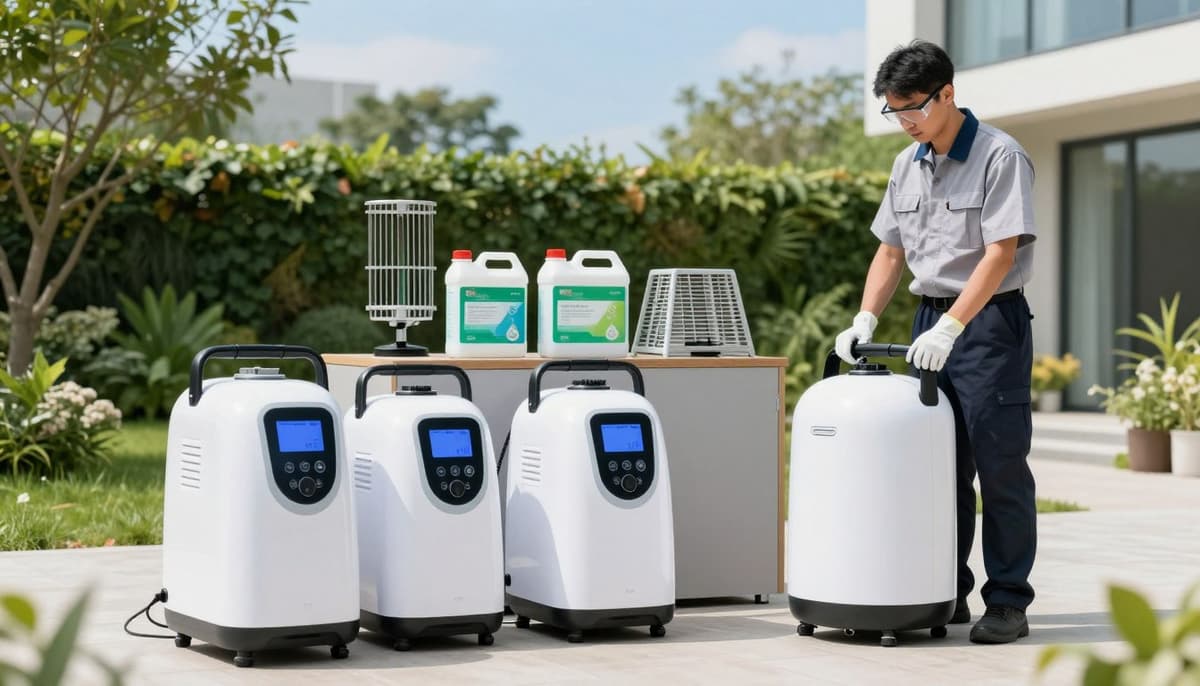
We're moving towards better pest management, focusing on professional gear and green solutions. This change helps the planet and makes pest control work better.
Modern Technology in Pest Eradication
New tech has made getting rid of pests easier. We use cool tools like thermal cameras to find pests hiding. And we have precise tools to hit the pests right where they are.
Key Technologies in Modern Pest Control:
- Thermal Imaging for detecting hidden pest infestations
- Precision Application Tools for targeted treatments
- Advanced Monitoring Systems for real-time pest activity tracking
Benefits of Using Environmentally Conscious Pesticides
Green pesticides are good for the planet and safer for us and our pets. They're made to hit the pests directly, so they don't harm the environment as much.
| Benefits | Description |
|---|---|
| Reduced Environmental Impact | Minimizes harm to non-target species and ecosystems |
| Improved Safety | Less toxic to humans and pets, making it safer |
| Targeted Action | Designed to only affect the pests, reducing damage |
Using top-notch equipment with green solutions helps us control pests well. It also helps us leave a smaller mark on the environment. This way, we solve the pest problem and help the planet at the same time.
Legal and Environmental Compliance in Kenyan Pest Control
We follow strict rules in pest control in Kenya. It's not just about getting rid of pests. It's also about keeping people, pets, and nature safe.
Our work follows national health and safety laws. We use approved methods and materials. This way, we protect both pests and the environment.
Adhering to National Health and Safety Regulations
Kenya has rules for using pesticides and pest control. We make sure our technicians are trained and certified. They follow the rules set by authorities.
Some important rules we follow include:
- Proper handling and storage of pesticides
- Safe application techniques to minimize exposure
- Emergency response plans in case of accidents
Responsible Disposal of Pest Control Materials
How we dispose of pest control materials is key. We have strict rules for waste disposal. This ensures waste is handled in an eco-friendly way.
| Material | Disposal Method | Regulatory Compliance |
|---|---|---|
| Pesticide Containers | Triple rinsing followed by disposal in approved landfill sites | Kenyan Environmental Regulations |
| Chemical Waste | Collection by licensed hazardous waste handlers | National Environmental Management Authority Guidelines |
| Non-Chemical Waste | Recycling where possible, or disposal in municipal landfills | Local Authority Regulations |
By following these steps, we meet Kenyan laws. We also help make our environment safer and healthier for everyone.
Conclusion
Keeping your space pest-free is key in Kenya. Knowing about pests and using expert pest control helps a lot. This way, you can keep your home or business safe from pests.
At Pestraid, we focus on your needs with our pest control services. Our team works hard to give you top-notch fumigation and extermination. We aim to make your space safe and healthy for everyone.
Ready to see how our services can help? Call us at 0710907628 or email sales@pestraid.co.ke to book a time. We're excited to help you get rid of pests and keep your space clean.
Contacting Our Expert Team for Immediate Assistance
Need help with pest control? Our team is ready to assist you. We know how urgent pest problems can be. So, we offer quick and effective solutions.
To reach us, you have a few options:
How to Reach Us at 0710907628
Our phone lines are open for you. Call us at 0710907628 to talk to our team. We're ready to help with your pest control needs. You can also visit our office at Argwings Kodhek Road, Rose Ave, Nairobi.
Sending Inquiries to sales@pestraid.co.ke
Or, you can email us at sales@pestraid.co.ke. We aim to reply quickly and help you solve your pest problems.
At Pestraid, we value our customer support and expertise. Facing a pest emergency or have questions? We're here to assist. Contact us through the channels we've provided.
FAQ
How can we contact Pestraid for immediate fumigation and extermination services in Kenya?
Call us at 0710907628 or email sales@pestraid.co.ke for help. At Pestraid, we offer top-notch services to keep your places pest-free.
Which common pests are most prevalent in Kenyan households and businesses?
We deal with cockroaches, bed bugs, and termites a lot. Seasonal changes also affect pest activity in Kenya.
Why is a professional pest inspection superior to DIY methods?
A: Professional expertise beats DIY because we use advanced detection tools. This lets us find hidden infestations and vulnerable areas that DIY methods miss.
What should we do to prepare our property for professional fumigation?
To prepare, secure food and sensitive items. Also, make sure there's proper ventilation and clear access for technicians.
How do we ensure safety for our family or employees during the process?
We follow strict safety protocols and clear evacuation procedures. Our team ensures air quality and surface safety are restored after treatment.
What is Integrated Pest Management (IPM), and how does it benefit us?
A: Integrated Pest Management combines biological and mechanical controls. It reduces chemical use, making your environment safer and managing pests better over time.
How do we handle termites and other pests that threaten structural integrity?
We focus on managing termite colonies with the right treatment. Our goal is to protect your building's structural integrity and prevent costly damage.
Are the pesticides used by Pestraid environmentally conscious?
Yes, we use modern technology and eco-friendly solutions. We choose environmentally conscious pesticides and dispose of materials responsibly.
What steps can we take to maintain a pest-free environment after a treatment?
Keep your place clean and seal cracks to prevent pests. Our monitoring programs help keep your space pest-free and let you know when to schedule follow-up treatments.
How do we manage commercial pest control requirements for high-traffic environments?
For hospitality and retail clients, we offer customized schedules. We ensure hygiene standards are met without disrupting your business. Our services meet the needs of high-traffic business environments while following national health regulations.